


January 2026
November 2025
September 2025
August 2025
July 2025
June 2025
January 2025
November 2024
September 2024
July 2024
June 2024
May 2024
April 2024
March 2024
January 2024
December 2023
November 2023
October 2023
July 2023
June 2023
May 2023
March 2023
January 2023
October 2022
May 2022
March 2022
January 2022
December 2021
November 2021
October 2021
April 2021
February 2021
December 2020
October 2020
August 2020
July 2020
June 2020
May 2020
April 2020
March 2020
February 2020
January 2020
December 2019
September 2019
June 2019
May 2019
January 2019
November 2018
October 2018
August 2018
July 2018
March 2018
January 2018
December 2017
November 2017
October 2017
September 2017
August 2017
June 2017
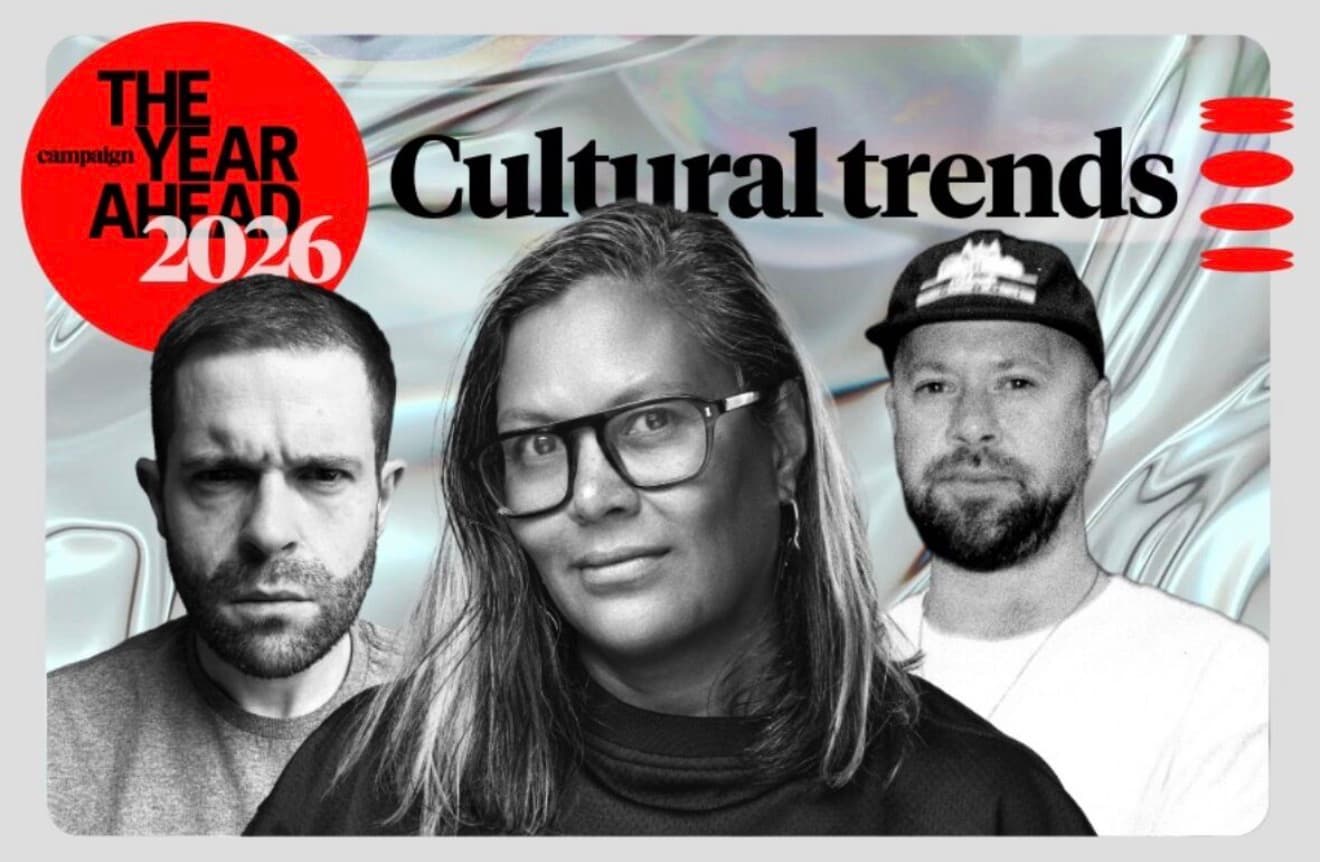
Campaign, Jan 2026
From fleeting virality to meaningful credibility
As we step into 2026, the influencer and creator economy is undergoing its most profound shift since it began. This time driven by decisive platform and media moves. And I am here for it.
Netflix’s late-2025 announcement to invest heavily in video pods, in partnership with Spotify, marked a defining moment. It signals something deeper than a new format push: a pivot back towards true cultural influence.
This expansion challenges the decade-long dominance of the mighty YouTube, a platform that deserves credit for democratising creativity, cultivating fandoms and shaping a generation of creators. But more importantly, it (finally, and hopefully) signals a move away from an industry obsessed with short-form virality and back towards longer-form, point-of-view-led content. The impact of that shift will be significant.
This moment also exposes a wider truth about the current state of social media. It has flattened into something increasingly transactional – saturated with repetitive formats, homogenous creator collaborations and, more recently, an overwhelming wave of AI slop. Brands are producing more content than ever, yet resonating less than they ever have.
What comes next is not about making more, faster or louder work. It is about sharpening clarity and building resonance. It requires brand activity people actively choose to share – not just on social, but in the press, in private messaging and through word of mouth. That level of shareability, which has long been my KPI for relevance, demands both storytelling and story-making grounded in lived experience, cultural awareness and subject-matter expertise. It requires brands to say and do something meaningful (not to be confused with “worthy”), and to have the confidence to stand behind it.
And while parts of the industry may be waking up to this now, anyone who has worked inside culture knows it has always been this way. After three decades working across cultural fandoms from sport to style, and music to beauty and beyond, I know that real influence has always and consistently come from the people whose tastes, creativity and behaviours shape that culture way before it shows up in big data or as a “trending topic”. I call them “cultural voices”, and many of my network may never choose to show up on social media at all.
Perhaps now the industry can finally acknowledge that the future belongs to those with a lived point of view and expertise, not simply influencers and creators optimising content, boosted by paid media, for an algorithm.
The reality for 2026 is clear. Brands that continue to treat communities as consumers – or fandoms as something to extract from – will struggle to stay relevant. Those holding on to optimisation, dashboards and outdated playbooks will keep missing cultural opportunities, and the waves pass by.
The brands that will thrive are those prepared to break tried, tested and, frankly, tired formulas. They will co-create with cultural voices as collaborators, invest in cultural intelligence as a core business capability, and apply a strategic cultural reset to how internal decisions are made.
In doing so, they can move from chasing culture to being led and shaped by it and help build the cultural landscape of the next decade, rather than simply borrowing from it.